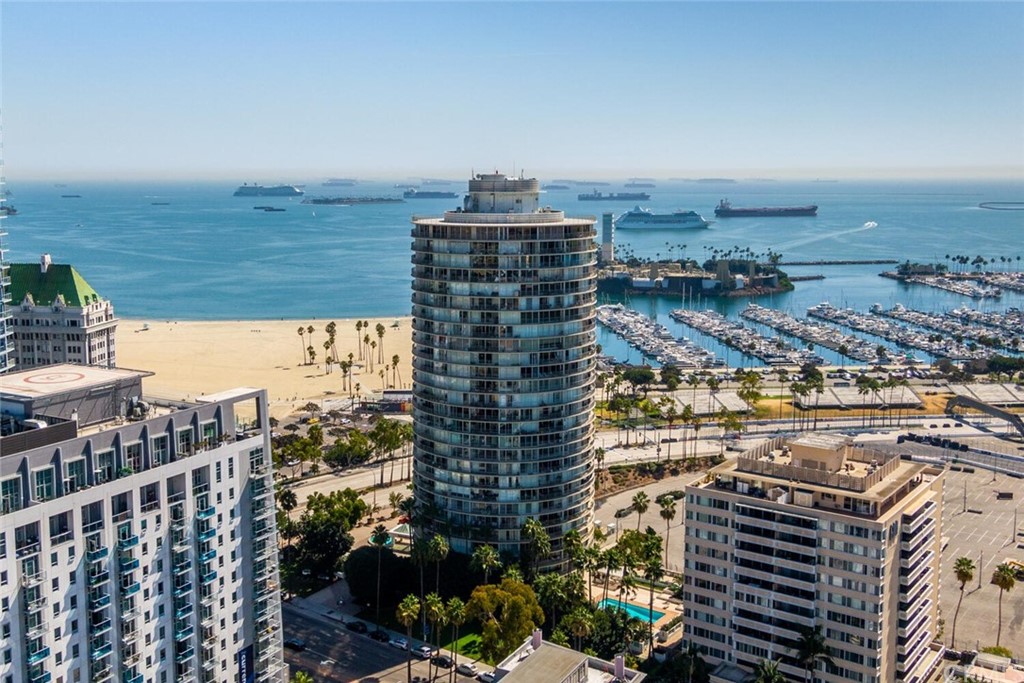
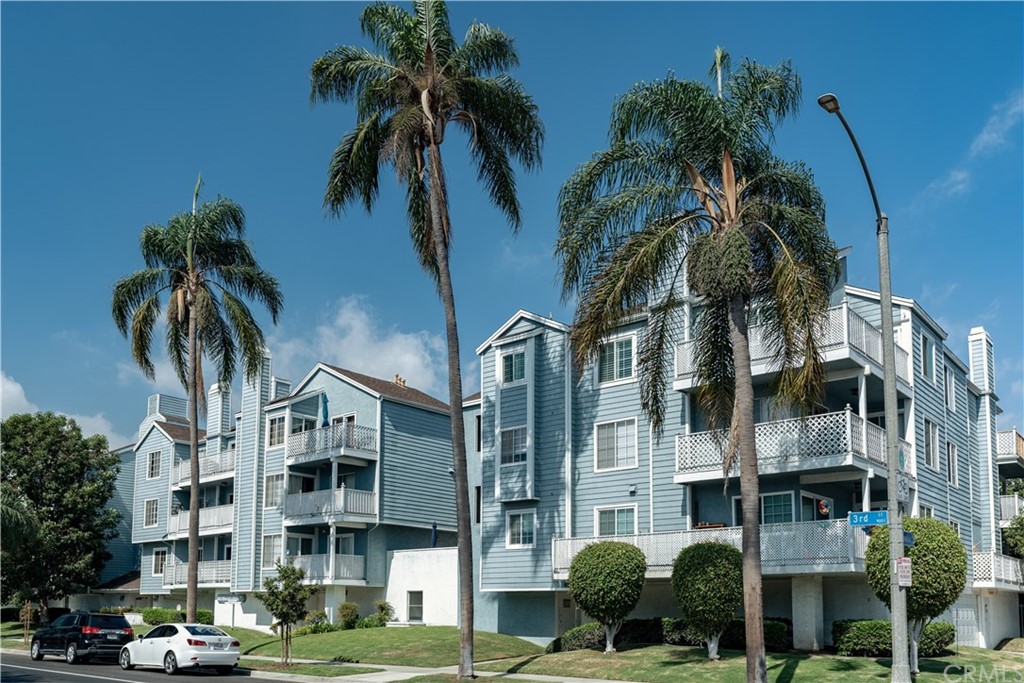
The condo you should get largely depends on how you plan to use it. Below are tips for various scenarios to help you make the right decision:
As a primary residence
A condo is a great option for people who wish to downsize or those who want a lower-maintenance home. Should this be the case for you, make sure that both the location and amenities suit your lifestyle. For instance, downtown condos offer excellent convenience but the area does tend to be busier. If you enjoy living an active lifestyle, make sure the building you move to has features that support it.
You should also pay attention to what you can or can’t do to your unit. Since you’re living there full-time, you likely want to modify the space to suit your needs but your condo association might have restrictions that prevent you from doing so.
In a similar vein, look into who’s managing the property. The best condominiums hire reputable property managers who are tasked with the daily running and upkeep of facilities. This is crucial because an ill-managed condo will fall into disrepair, which can cause your home’s value to plummet and your association dues to skyrocket.
Lastly, ask if the condo has major projects that are in the pipeline. If the administration plans on refurbishing the clubhouse, for instance, you might be charged a special assessment on top of your association dues.
As a secondary or vacation home
Many people fall in love with Long Beach and purchase a condo unit here as a vacation home. This way, they no longer have to book a hotel whenever they wish to visit — they have guaranteed accommodation that’s always ready for them.
This is an excellent move provided you’re financially prepared for it. After all, you’ll likely be paying two mortgages simultaneously: on your current home and on your condo. Readying your finances is crucial to getting approved for a loan, especially if you’re buying a luxury property. Among the things you should do are:
● Lower your credit utilization by paying off outstanding debts
● Review and increase your credit score
● Save up for a sizable down payment
● Get pre-approved for a mortgage
To subsidize your loans, you can rent out your property while you’re not using it. Do note, however, that you will be required to declare rental income and pay taxes on it. You’ll also need to hire a property manager who will maintain the property while you’re away and make sure it’s ready for short-term rentals.
Lastly, be aware that owning a second home may limit your travel options. After all, you’re more likely to spend your holidays at the condo since you want to maximize your investment. If you’re buying a unit in Long Beach, make sure you truly enjoy the place and won’t mind revisiting it regularly.
As an investment or rental property
Many of the tips for second homes apply to investment properties as well. However, if you’re buying condos for sale in Long Beach, CA for long-term leasing, there are a few things you have to consider.
First and foremost: do you like being a landlord? If you don’t have the time to look for tenants, collect rent, and conduct repairs, you might be better off hiring a property manager who can do these tasks for you. That said, you still have to familiarize yourself with your legal obligations as a landlord to avoid any lawsuits.
Another thing you shouldn’t overlook is ongoing costs. These include regular maintenance fees as all real estate properties are subject to wear and tear. Smart investors should also get landlord’s insurance to protect against property damage, loss of income, and personal injury liability.
Last but certainly not least, work out what your profit margin will be. Deciding how much rent to charge requires a delicate balance as it should be high enough to cover your mortgage and generate a tidy profit, but not so high that it turns away would-be tenants. Most experts agree that a margin of at least 10% is a good place to start.
As an international investor
If you’re a foreigner looking to invest in condos for sale in Long Beach, CA, there are quite a few things you should know beforehand.
Before anything else, find a trusted real estate agent with a Certified International Property Specialists (CIPS) designation. Not only are such realtors knowledgeable of local real estate regulations, but they often also speak your language which makes communication easier.
Since you’re a non-citizen and don’t have an American social security number, you’ll have to get an Individual Taxpayer Identification Number (ITIN) instead. This allows you to duly identify yourself to the IRS and file your annual property taxes. Do note that your tax liabilities will depend on your country of origin; if it has a tax treaty with the U.S., you only pay taxes to one country.